The mysteries of the brown recluse spider revealed
Discover the fascinating secrets of the brown recluse spider, a discreet creature that arouses both curiosity and apprehension.
A discreet but fascinating spider
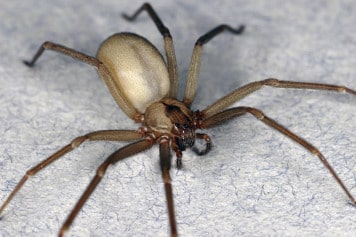
The brown recluse spider (Loxosceles reclusa) is a solitary spider, not inclined to attack. Unlike other species that build conspicuous webs, it prefers to hide in dark, quiet places. It only bites if it feels threatened: such as when you put on clothing where it has taken refuge or when you suddenly open a drawer where it is hiding… Situations that can startle it and cause it to defend itself.
But then, why so much fear surrounding this little spider? Its venom, although rarely harmful , can causedramatic skinreactions .
How to identify it?
To identify a brown recluse, note these characteristics:
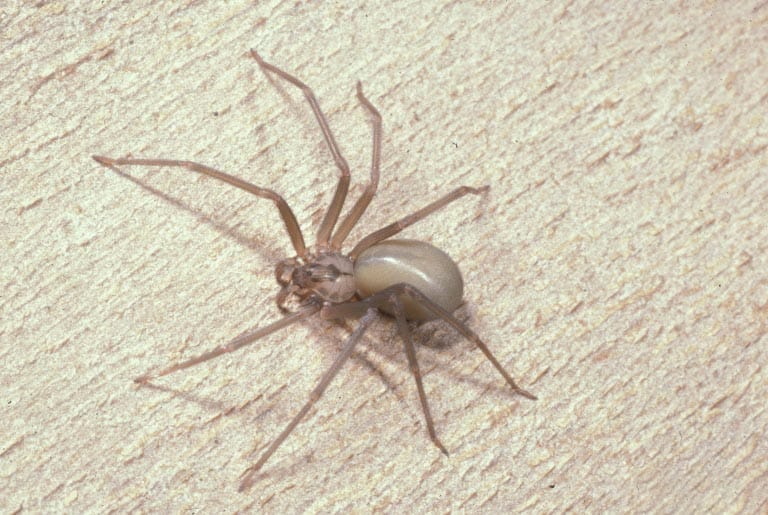
Modest size : approximately 9 mm, about the size of a 10 centcoin .
Color ranging from light brown to dark brown.
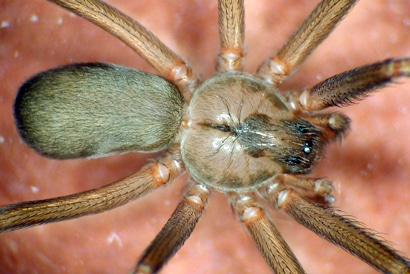
A violin-shaped mark on its back, hence its nickname " violinistspider ".
Six eyes arranged in three pairs, unlike most spiders which have eight.
However, since many other spiders have similar patterns, it takes a trained eye (or a magnifying glass) to identify it with certainty.
Where is she hiding?
Good news: the brown recluse isn't ubiquitous ! It's mainly found in the Midwest and the Southern United States , where it prefersdark and isolatedplaces .
Inside: attics, cupboards, under furniture, between boxes that have been stored for a long time.
Outside : piles of wood, debris, cracks in old wooden structures.
Although it can move accidentally, its presence is virtually non-existent outside of these regions.
Should we be afraid of its sting?
Contrary to popular belief, the bite of the brown recluse spider is not usually fatal. In most cases, it causes only mild irritation. However, in rare situations, it can lead to:
A necrotic lesion : a wound that gradually expands and takes several weeks, or even months, to heal.
Systemic symptoms (fever, chills, fatigue ), especially invulnerableindividuals (children, the elderly).
In case of a sting, monitor the progress of the wound and consult a doctor if it worsens.
How to avoid brown recluse spiders in your home?
Prevention is better than cure ! Here are some simple tips to reduce their presence:
Tidy up regularly: avoid accumulations of cardboard boxes and unused clothes.
Seal the cracks : prevent their intrusion by plugging small openingsin the walls and windows.
Maintain your garden: prune plants, remove piles of wood and debris.
In case of a major infestation, call a professional.
The brown recluse spider: an exaggerated danger?
Although its venom might cause concern , the brown recluse spider is neither aggressive nor deadly . It prefers the shade to confrontation and plays a beneficial role in regulating insect populations . By taking a few simple precautions , you can significantly reduce the chances of an encounter.
So, the next time you come across a spider, take the time to observe it… and perhaps, leave it alone!
.jpg)




.webp)
0 Comment:
Post a Comment